

What are the regulations regarding the use of artificial graphite in food applications?
As a supplier of artificial graphite, I often receive inquiries about the regulations surrounding its use in food applications. This is a crucial topic, as the safety and compliance of food - related products are of utmost importance. In this blog, I will delve into the regulations governing the use of artificial graphite in food applications, explore its potential uses, and discuss how our products can meet the necessary standards.
Understanding Artificial Graphite
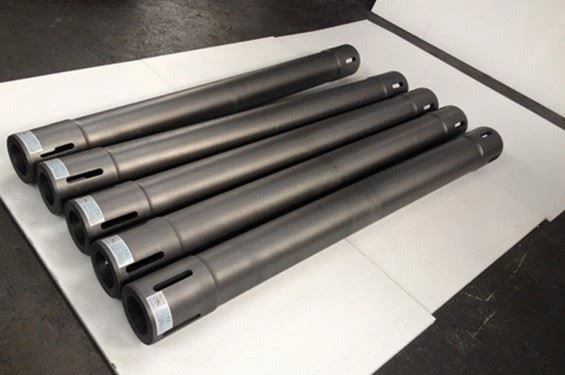
Artificial graphite is a synthetic material with excellent thermal, electrical, and mechanical properties. It is produced through the high - temperature treatment of carbon - containing materials, resulting in a highly ordered carbon structure. Our company offers a variety of artificial graphite products, including [CARBON SLEEVE](/artificial - graphite/carbon - sleeve.html), [Isostatic Pressure Graphite](/artificial - graphite/isostatic - pressure - graphite.html), and [Conductive Graphite Block](/artificial - graphite/conductive - graphite - block.html).
Regulations in Different Regions
United States
In the United States, the Food and Drug Administration (FDA) regulates the use of materials in contact with food. For artificial graphite to be used in food applications, it must comply with the FDA's regulations under the Federal Food, Drug, and Cosmetic Act. The FDA has specific requirements regarding the safety of substances that come into contact with food, including limits on the migration of potentially harmful substances from the material into the food.

Manufacturers are required to conduct safety assessments to demonstrate that their artificial graphite products are safe for use in food - contact applications. This may involve testing for the presence of heavy metals, such as lead, mercury, and cadmium, as well as other contaminants. The FDA also has guidelines on labeling and packaging requirements for food - contact materials, ensuring that consumers are informed about the safety of the products they use.
European Union
The European Union has its own set of regulations governing food - contact materials. The EU's Framework Regulation (EC) No 1935/2004 sets out the general principles for the safety of materials and articles intended to come into contact with food. Specific regulations, such as Commission Regulation (EU) No 10/2011 for plastics, may also apply depending on the nature of the artificial graphite product.
For artificial graphite, it must be demonstrated that the material does not transfer substances to food in quantities that could endanger human health, change the composition of the food, or deteriorate its organoleptic properties. European manufacturers are required to obtain a food - contact compliance certificate for their products, which involves rigorous testing and documentation of the safety of the material.
Other Regions
Many other countries have their own regulations regarding food - contact materials. For example, in China, the National Health Commission and the General Administration of Customs regulate the safety of food - contact materials. Manufacturers must comply with national standards, such as GB 4806 series, which cover various aspects of food - contact materials, including safety requirements and testing methods.
In Japan, the Ministry of Health, Labour and Welfare has regulations for food - contact materials, and products must meet specific safety criteria to be sold in the Japanese market.
Potential Food Applications of Artificial Graphite
Despite the strict regulations, artificial graphite has several potential applications in the food industry.
Food Processing Equipment
Artificial graphite can be used in the manufacturing of food processing equipment, such as molds, rollers, and heat exchangers. Its high thermal conductivity makes it suitable for applications where efficient heat transfer is required, such as in baking and frying processes. Our [Conductive Graphite Block](/artificial - graphite/conductive - graphite - block.html) can be used in these types of equipment, providing excellent heat transfer properties while meeting the necessary safety regulations.
Food Packaging
In some cases, artificial graphite may be used in food packaging materials. For example, it can be incorporated into packaging films to provide anti - static properties, which can help prevent the attraction of dust and other contaminants. However, the use of artificial graphite in food packaging must be carefully evaluated to ensure that it complies with the relevant regulations regarding migration of substances into the food.
Ensuring Compliance with Regulations
As a supplier of artificial graphite, we are committed to ensuring that our products meet the highest safety standards. We work closely with regulatory authorities and independent testing laboratories to conduct comprehensive safety assessments of our products.
Our manufacturing processes are designed to minimize the presence of contaminants and ensure the consistency of product quality. We source high - quality raw materials and implement strict quality control measures throughout the production process.
Before supplying our products for food applications, we provide our customers with detailed documentation, including safety data sheets and compliance certificates, to demonstrate that our artificial graphite products meet the necessary regulatory requirements.
Conclusion
The use of artificial graphite in food applications is subject to strict regulations in different regions around the world. These regulations are in place to protect consumer health and ensure the safety of food products. As a supplier, we understand the importance of compliance and are dedicated to providing high - quality artificial graphite products that meet the regulatory requirements for food applications.

If you are interested in using our artificial graphite products for food applications or have any questions about our products' compliance with regulations, please feel free to contact us for further discussion. We are ready to assist you in finding the most suitable artificial graphite solutions for your food - related needs.

References
- Federal Food, Drug, and Cosmetic Act (United States)
- Regulation (EC) No 1935/2004 (European Union)
- Commission Regulation (EU) No 10/2011 (European Union)
- GB 4806 series (China)
- Regulations of the Ministry of Health, Labour and Welfare (Japan)