

Hey there! As a carbon additive supplier, I've been getting a ton of questions lately about whether carbon additives can be used in 3D printing materials. Well, let's dive right into this hot topic and find out!
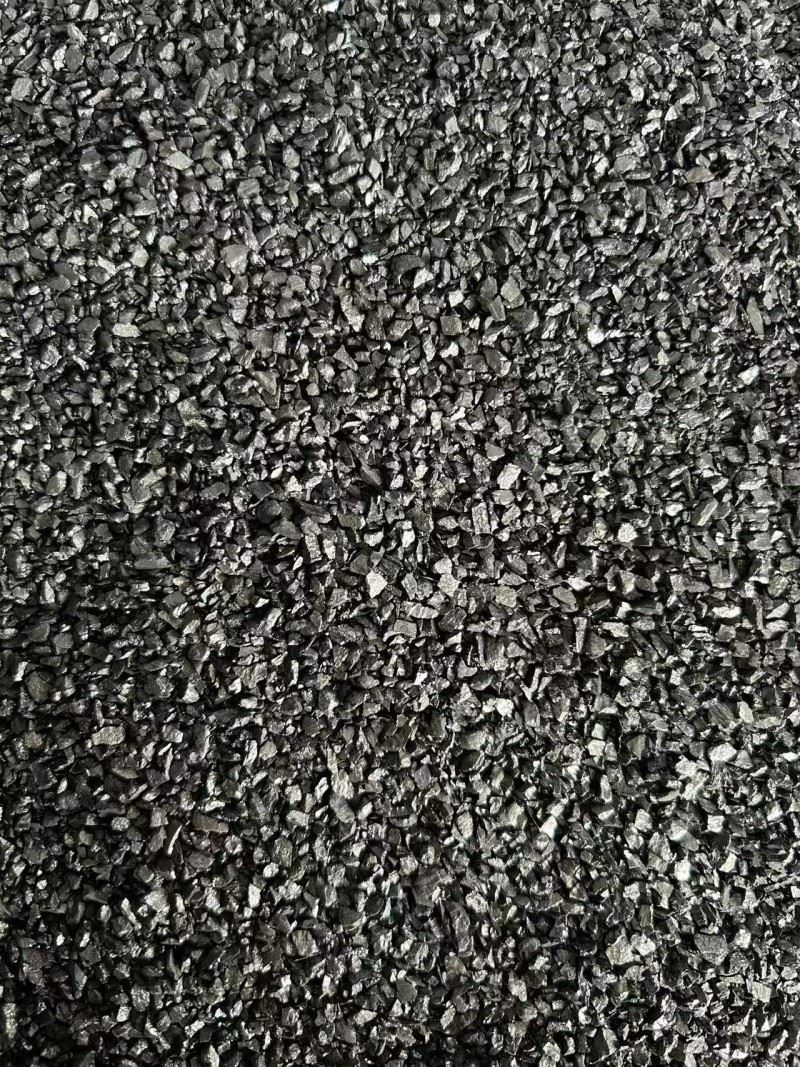
First off, what are carbon additives? We're talking about things like Calcined Anthracite, Graphitized Petroleum Coke, and Graphite Electrodes Powder. These are high - quality carbon - based substances that have unique properties, and they've got some pretty exciting potential when it comes to 3D printing.
Why Consider Carbon Additives in 3D Printing?
One of the main reasons to think about using carbon additives in 3D printing materials is to enhance the properties of the final printed object. For example, carbon is known for its excellent strength - to - weight ratio. When you add carbon additives to a 3D printing material, you can potentially make the printed parts stronger and more durable without adding a whole lot of extra weight. This is super important in industries like aerospace and automotive, where lightweight yet strong components are in high demand.
Another great property of carbon is its conductivity. Electrical conductivity can be a crucial feature in some 3D printed applications, such as in the production of electronic devices or sensors. By incorporating carbon additives, we can create 3D printed materials that conduct electricity, opening up a whole new range of possibilities for what we can print.
Heat resistance is also a key factor. Carbon additives can improve the heat resistance of 3D printed materials. This means that the printed parts can withstand higher temperatures without deforming or losing their structural integrity. It's useful for applications where the parts will be exposed to high - heat environments, like in engine components or industrial machinery.
Challenges and Considerations
Of course, it's not all sunshine and rainbows. There are some challenges when using carbon additives in 3D printing materials. One of the main issues is dispersion. It's crucial to make sure that the carbon additives are evenly distributed throughout the printing material. If they clump together, it can lead to inconsistent properties in the printed parts, and the overall quality of the print can suffer.
Another challenge is compatibility. Different 3D printing materials have different chemistries, and not all carbon additives will work well with every type of material. For example, some polymers may not react favorably with certain carbon additives, which can cause issues like poor adhesion or reduced mechanical properties.
The cost is also a factor. Carbon additives can be relatively expensive compared to some traditional 3D printing materials. This means that the overall cost of the 3D printing process may increase when using carbon additives. However, in many cases, the benefits of using carbon - enhanced materials, such as improved performance and longer lifespan, can justify the higher cost.
Types of Carbon Additives and Their Suitability
Let's take a closer look at the different types of carbon additives I mentioned earlier and how they might be suitable for 3D printing.
Calcined Anthracite: This is a high - carbon material that has been heat - treated to remove impurities. It's known for its high hardness and good electrical conductivity. In 3D printing, calcined anthracite can be used to enhance the strength and conductivity of printed parts. It's particularly suitable for applications where a high level of mechanical performance is required, such as in the production of tooling or industrial components.
Graphitized Petroleum Coke: Graphitized petroleum coke has a high degree of graphitization, which gives it excellent thermal and electrical conductivity. It can be used to improve the heat dissipation and electrical properties of 3D printed materials. This makes it a great choice for applications in the electronics industry, where heat management and electrical conductivity are crucial.
Graphite Electrodes Powder: Graphite electrodes powder is very fine and has a high surface area. It can be easily dispersed in 3D printing materials, which helps to achieve more consistent properties in the printed parts. It's also known for its lubricating properties, which can be beneficial in applications where low friction is required, such as in moving parts of machinery.

Real - World Applications
There are already some real - world examples of carbon additives being used in 3D printing. In the aerospace industry, 3D printed parts with carbon additives are being used to reduce the weight of aircraft components while maintaining their strength. This helps to improve fuel efficiency and reduce emissions.
In the automotive industry, carbon - enhanced 3D printed parts are being used to create lightweight and high - performance components, such as engine parts and body panels. These parts can improve the overall performance of the vehicle and reduce its environmental impact.
In the medical field, 3D printed implants with carbon additives are being explored. The enhanced strength and biocompatibility of carbon - containing materials can potentially lead to better - performing implants that last longer and are more suitable for the human body.
Conclusion
So, can carbon additives be used in 3D printing materials? The answer is a resounding yes! While there are some challenges to overcome, the potential benefits of using carbon additives in 3D printing are significant. From improved strength and durability to enhanced conductivity and heat resistance, carbon additives can open up a whole new world of possibilities for 3D printing.
If you're in the 3D printing industry or are just curious about exploring the use of carbon additives in your projects, I'd love to have a chat with you. Whether you're looking for more information about the different types of carbon additives, or you're interested in discussing a potential partnership, don't hesitate to reach out. Let's work together to push the boundaries of what's possible with 3D printing using our high - quality carbon additives.
References
- “Carbon Nanomaterials for 3D Printing: A Review.” Progress in Materials Science, vol. 107, 2020.
- “Advanced 3D Printing Materials: From Nanocomposites to Nanostructured Polymers.” Chemical Society Reviews, vol. 47, no. 21, 2018.
- “Additive Manufacturing of Carbon - Fiber - Reinforced Polymers: A Review.” Composites Part B: Engineering, vol. 156, 2018.