

As a supplier of Gas Calcined Anthracite, I often encounter inquiries from customers regarding the safety aspects of this product. Gas calcined anthracite is a widely used material in various industries, especially in the steel and foundry sectors. In this blog, I will delve into the question: Does gas calcined anthracite have any safety hazards?

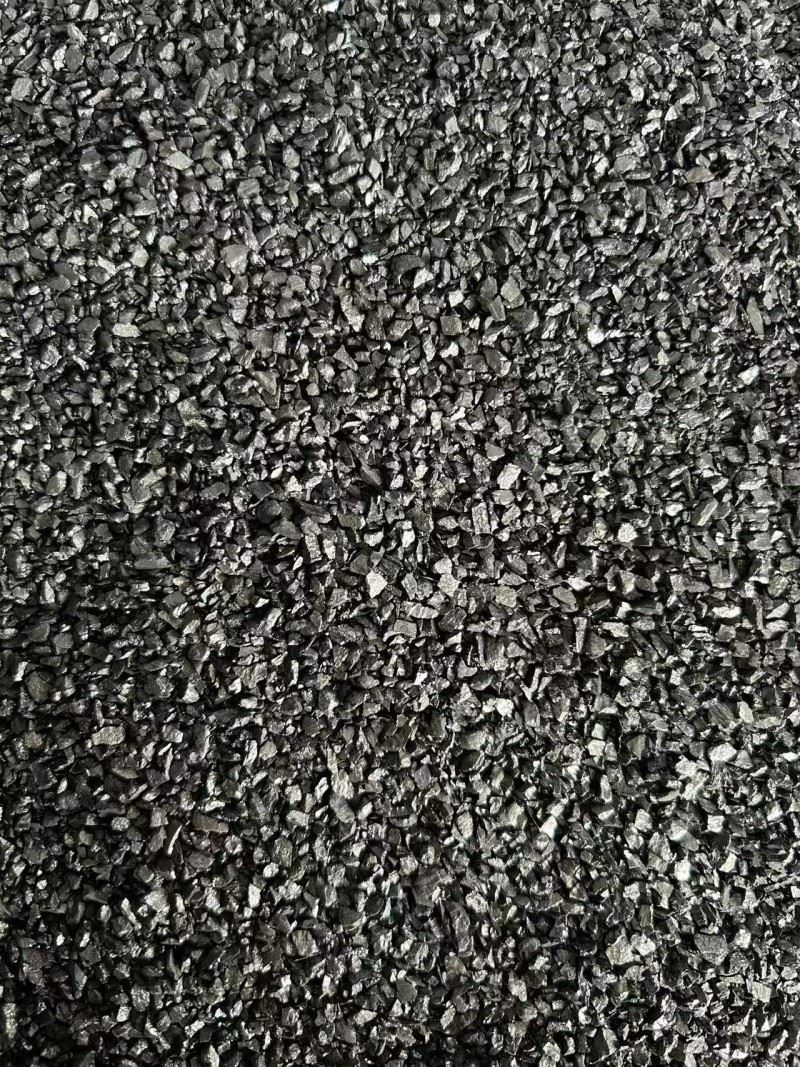
Understanding Gas Calcined Anthracite
Gas calcined anthracite is produced by heating anthracite coal in a controlled environment using gas as the heating medium. This process removes volatile matter and moisture from the anthracite, resulting in a product with high carbon content, low ash, and excellent thermal conductivity. It is commonly used as a Coal-Based Carburizer in steelmaking and foundry operations to increase the carbon content of molten metal.
Potential Safety Hazards
Dust Exposure
One of the primary safety concerns associated with gas calcined anthracite is dust exposure. During the handling, storage, and transportation of the product, fine dust particles can be generated. Inhalation of these dust particles can pose a risk to respiratory health. Prolonged exposure to coal dust can lead to pneumoconiosis, commonly known as "black lung disease," which is characterized by the accumulation of dust in the lungs and can cause coughing, shortness of breath, and other respiratory problems.
To mitigate the risk of dust exposure, appropriate dust control measures should be implemented. This includes using dust suppression systems during handling and storage, providing personal protective equipment (PPE) such as respirators to workers, and ensuring proper ventilation in work areas.
Fire and Explosion Hazards
Gas calcined anthracite is a combustible material. When exposed to an ignition source, it can catch fire and burn. In addition, if the dust concentration in the air reaches a certain level, it can form an explosive mixture. This is known as a dust explosion. Dust explosions can be extremely dangerous, causing significant damage to property and endangering the lives of workers.
To prevent fire and explosion hazards, it is essential to store gas calcined anthracite in a dry, well-ventilated area away from ignition sources. Electrical equipment in the storage and handling areas should be properly grounded and rated for use in potentially explosive atmospheres. Regular inspections should be conducted to ensure that there are no sources of ignition and that the dust concentration in the air is within safe limits.
Chemical Hazards
Although gas calcined anthracite is primarily composed of carbon, it may contain trace amounts of other elements and compounds. Some of these substances, such as sulfur and heavy metals, can be harmful to human health and the environment. For example, sulfur dioxide emissions from the combustion of gas calcined anthracite can contribute to air pollution and acid rain. Heavy metals such as lead and mercury can accumulate in the environment and pose a risk to human health through the food chain.
To minimize the chemical hazards associated with gas calcined anthracite, it is important to source the product from a reliable supplier who conducts regular quality control tests to ensure that the product meets the relevant safety standards. In addition, proper waste management practices should be implemented to prevent the release of harmful substances into the environment.
Safety Measures and Regulations
As a responsible supplier of Gas Calcined Anthracite, we are committed to ensuring the safety of our customers and the environment. We comply with all relevant safety regulations and standards, including those related to dust control, fire prevention, and chemical safety.
Quality Control
We conduct strict quality control tests on our gas calcined anthracite products to ensure that they meet the highest standards of quality and safety. This includes testing for carbon content, ash content, volatile matter, and particle size distribution. We also test for the presence of harmful substances such as sulfur and heavy metals to ensure that the product is safe for use.
Safety Training
We provide comprehensive safety training to our employees and customers to ensure that they are aware of the potential safety hazards associated with gas calcined anthracite and how to prevent them. Our training programs cover topics such as dust control, fire prevention, and the proper use of PPE.
Emergency Response Plans
We have developed detailed emergency response plans to address potential safety incidents such as fires, explosions, and dust exposure. These plans include procedures for evacuating the workplace, extinguishing fires, and providing first aid to injured workers. We also conduct regular emergency drills to ensure that our employees are prepared to respond effectively in the event of an emergency.
Conclusion
In conclusion, while gas calcined anthracite does have some potential safety hazards, these can be effectively managed through the implementation of appropriate safety measures and regulations. As a supplier, we are committed to providing our customers with high-quality, safe products and to ensuring that they have the necessary information and support to use our products safely.
If you are interested in purchasing Calcined Anthracite or CPC Carburizer, please feel free to contact us for more information. We look forward to discussing your specific requirements and providing you with the best possible solutions.
References
- Occupational Safety and Health Administration (OSHA). (2023). Hazard Communication Standard. Retrieved from [OSHA website]
- National Fire Protection Association (NFPA). (2023). NFPA 654 - Standard for the Prevention of Fire and Dust Explosions from the Manufacturing, Processing, and Handling of Combustible Particulate Solids.
- World Health Organization (WHO). (2023). Air Quality Guidelines. Retrieved from [WHO website]