

Hey there! As a supplier of artificial graphite, I'm super stoked to chat about how this amazing material benefits electric vehicles (EVs). Artificial graphite has become a game - changer in the EV industry, and I'm here to break down all the reasons why.
Let's start with the heart of an electric vehicle: the battery. The battery is what gives EVs the power to run, and artificial graphite plays a crucial role in its performance. In a lithium - ion battery, which is the most common type used in EVs, the anode is typically made of graphite. Artificial graphite, in particular, offers several advantages over natural graphite.

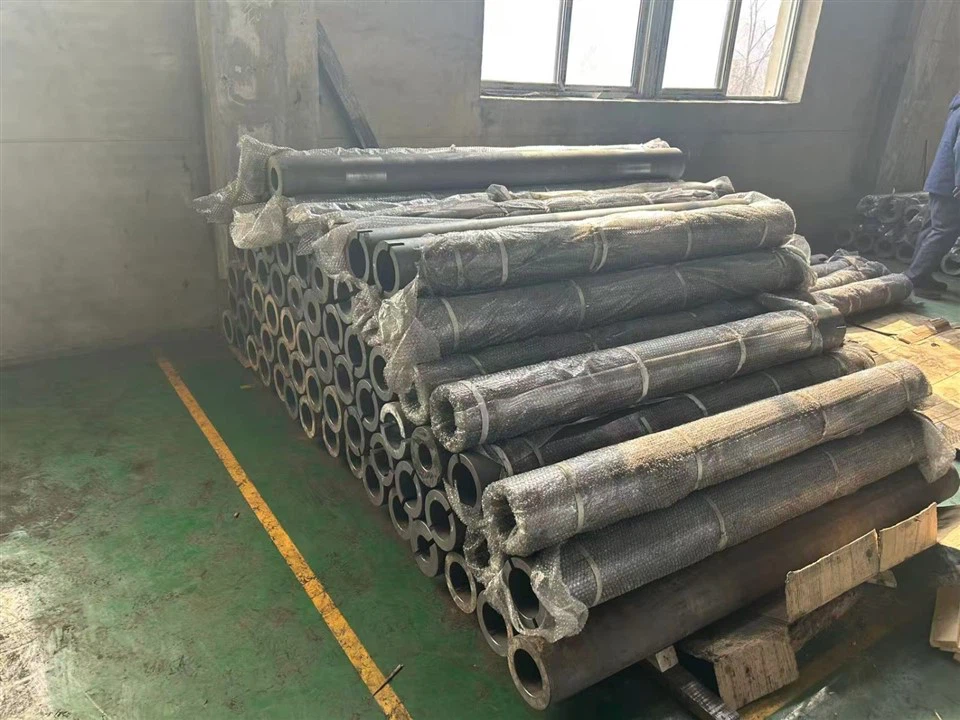
One of the main benefits is its high purity. Natural graphite often contains impurities that can affect the battery's performance and lifespan. Artificial graphite, on the other hand, can be produced with a very high level of purity. This means fewer side reactions within the battery, leading to better charge - discharge efficiency. When an EV can charge and discharge its battery more efficiently, it translates to longer driving ranges on a single charge. Who doesn't want to go further without having to stop and recharge?
Another great thing about artificial graphite is its uniform particle size and shape. During the manufacturing process, we can control these characteristics precisely. Uniform particles pack together more tightly in the battery anode. This tight packing allows for more lithium ions to be stored in the anode, increasing the battery's energy density. Higher energy density means that the battery can store more energy in a smaller and lighter package. For an EV, this is a huge plus as it reduces the overall weight of the vehicle. A lighter vehicle requires less energy to move, which in turn improves the vehicle's efficiency and range.
Now, let's talk about the performance of artificial graphite under different conditions. EVs are used in all sorts of environments, from scorching hot deserts to freezing cold mountains. Artificial graphite has excellent thermal stability. It can withstand high temperatures without degrading its performance. This is really important because high temperatures can cause the battery to overheat, which not only reduces its efficiency but can also be a safety hazard. With artificial graphite in the battery, the EV can operate safely and efficiently even in hot climates.
In cold weather, artificial graphite also shows its superiority. Lithium - ion batteries tend to lose performance in cold temperatures. However, the structure of artificial graphite allows for better lithium - ion diffusion even at low temperatures. This means that the battery can still deliver a decent amount of power, and the EV can start and run smoothly even on a frosty morning.
But the benefits of artificial graphite in EVs aren't just limited to the battery. It also has applications in other parts of the vehicle. For example, Graphite Tank made from artificial graphite can be used in the cooling system of the EV. Graphite has excellent thermal conductivity, which means it can transfer heat away from the battery and other components quickly. This helps to keep the vehicle's temperature in check and ensures that all the parts are working optimally.
Graphite Connecting Rod Product Introduction shows that artificial graphite can be used to make connecting rods in the EV's motor. Graphite is lightweight yet strong, which is ideal for this application. A lighter connecting rod reduces the overall weight of the motor, making it more efficient. It also reduces the vibration and noise generated by the motor, providing a smoother and quieter driving experience.
Graphite Sleeves are another great application. These sleeves can be used in various moving parts of the EV, such as the bearings. Graphite has self - lubricating properties, which means it can reduce friction between the moving parts. Less friction not only improves the efficiency of the parts but also extends their lifespan. This reduces the maintenance requirements of the EV, saving the owner both time and money.
From an environmental perspective, artificial graphite also has its perks. The production process of artificial graphite can be more environmentally friendly compared to some other materials. We can control the emissions and waste during the manufacturing process, making it a more sustainable choice. And as the demand for EVs continues to grow, using a more sustainable material like artificial graphite helps to reduce the overall environmental impact of the automotive industry.
As an artificial graphite supplier, I've seen firsthand how this material is revolutionizing the EV industry. We're constantly working on improving our products to meet the ever - evolving needs of the EV manufacturers. Whether it's developing graphite with even higher purity or better thermal properties, we're committed to providing the best solutions.
If you're an EV manufacturer or someone involved in the EV supply chain, I highly encourage you to consider artificial graphite for your next project. The benefits it offers in terms of battery performance, vehicle efficiency, and environmental friendliness are truly remarkable. And if you have any questions or want to discuss potential partnerships, don't hesitate to reach out. We're here to help you take your EVs to the next level.
In conclusion, artificial graphite is a key ingredient in the success of electric vehicles. Its unique properties make it an essential material for improving battery performance, enhancing vehicle efficiency, and reducing environmental impact. So, if you're looking to make your EVs better, artificial graphite is definitely the way to go.
References
- "Lithium - Ion Batteries: Science and Technologies" by Y. - K. Sun, S. - T. Myung, and B. Scrosati.
- "Electric Vehicle Technology Explained" by John Hayes.