

How does carbon additive influence the thermal stability of materials?
As a carbon additive supplier, I've witnessed firsthand the transformative power of these substances in enhancing the thermal stability of various materials. Carbon additives, in their diverse forms, play a crucial role in industries ranging from metallurgy to composites, where thermal stability is a key performance factor. In this blog, I'll delve into the mechanisms through which carbon additives influence thermal stability and explore some of the common types of carbon additives used for this purpose.
Understanding Thermal Stability
Before we explore the role of carbon additives, it's important to understand what thermal stability means. Thermal stability refers to a material's ability to resist decomposition, degradation, or structural changes when exposed to high temperatures. In many industrial applications, materials are subjected to extreme heat, and maintaining their integrity under these conditions is essential for safety, performance, and longevity.
Mechanisms of Carbon Additive Influence on Thermal Stability
1. Heat Absorption and Dissipation
One of the primary ways carbon additives enhance thermal stability is by absorbing and dissipating heat. Carbon has a high thermal conductivity, which means it can efficiently transfer heat away from the material. When a carbon additive is incorporated into a material, it acts as a heat sink, absorbing excess heat and preventing it from accumulating in the material. This helps to maintain a more uniform temperature distribution within the material, reducing the risk of thermal stress and damage.
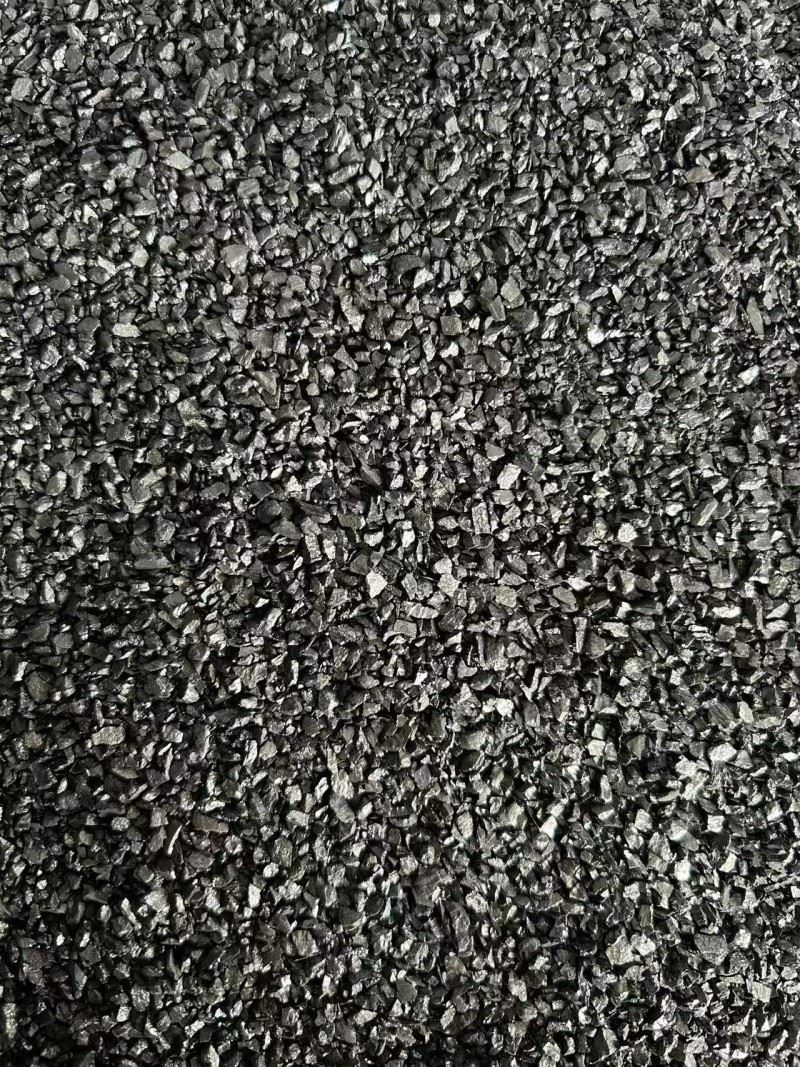
For example, in metal casting, carbon additives such as Calcined Anthracite are often used to improve the thermal stability of the molten metal. The high thermal conductivity of calcined anthracite allows it to quickly absorb and dissipate the heat generated during the casting process, preventing the metal from overheating and reducing the likelihood of defects such as porosity and cracking.

2. Formation of a Protective Barrier
Carbon additives can also form a protective barrier on the surface of the material, which helps to shield it from the effects of high temperatures. When exposed to heat, carbon additives can undergo a process called carbonization, where they transform into a carbonaceous layer. This layer acts as a physical barrier, preventing oxygen and other reactive species from reaching the material and causing oxidation or degradation.
In the case of polymer composites, carbon additives such as Graphite Electrodes Powder can be used to improve the thermal stability of the polymer matrix. The graphite powder forms a protective layer on the surface of the polymer, which reduces the rate of thermal degradation and improves the overall heat resistance of the composite.
3. Chemical Interaction with the Material
Carbon additives can also interact chemically with the material to enhance its thermal stability. In some cases, carbon additives can react with the material to form new compounds or phases that have improved thermal properties. For example, in the production of refractory materials, carbon additives can react with the refractory oxides to form carbides, which have high melting points and excellent thermal stability.
In addition, carbon additives can also act as catalysts or inhibitors, influencing the chemical reactions that occur within the material at high temperatures. By controlling these reactions, carbon additives can help to prevent the formation of unstable intermediates or by-products that could lead to thermal degradation.
Common Types of Carbon Additives for Thermal Stability
1. Calcined Anthracite
Calcined anthracite is a high-quality carbon additive that is widely used in the metallurgical industry to improve the thermal stability of molten metals. It is produced by heating anthracite coal to high temperatures in the absence of oxygen, which removes impurities and increases the carbon content. Calcined anthracite has a high fixed carbon content, low volatile matter, and excellent thermal conductivity, making it an ideal choice for applications where high heat resistance is required.
2. Coal-Based Carburizer
Coal-based carburizers are another type of carbon additive that is commonly used in the steelmaking industry. They are produced from coal through a process of carbonization and purification, and they are used to increase the carbon content of molten steel. Coal-based carburizers can also improve the thermal stability of the steel by reducing the melting point and increasing the fluidity of the molten metal, which helps to prevent the formation of defects such as porosity and cracking. Coal-Based Carburizer
3. Graphite Electrodes Powder
Graphite electrodes powder is a fine powder made from graphite electrodes, which are used in electric arc furnaces for steelmaking. Graphite electrodes powder has a high carbon content, excellent thermal conductivity, and good lubricity, making it an ideal choice for applications where high heat resistance and low friction are required. In addition to its use in polymer composites, graphite electrodes powder can also be used as a carbon additive in lubricants, coatings, and other materials to improve their thermal stability.
Case Studies
1. Steelmaking
In the steelmaking industry, carbon additives play a crucial role in improving the thermal stability of molten steel. By adding carbon additives such as calcined anthracite and coal-based carburizers to the molten steel, steelmakers can increase the carbon content of the steel, which improves its strength, hardness, and wear resistance. In addition, carbon additives can also help to reduce the melting point and increase the fluidity of the molten steel, which makes it easier to cast and reduces the likelihood of defects.
For example, a steelmaking company was experiencing problems with the quality of its steel products due to thermal stress and cracking. After consulting with our team of experts, the company decided to use our Calcined Anthracite as a carbon additive in its steelmaking process. The high thermal conductivity of the calcined anthracite helped to quickly absorb and dissipate the heat generated during the casting process, reducing the thermal stress on the steel and preventing the formation of cracks. As a result, the quality of the steel products improved significantly, and the company was able to increase its production efficiency and reduce its costs.
2. Polymer Composites
In the polymer composites industry, carbon additives are used to improve the thermal stability of the polymer matrix. By adding carbon additives such as graphite electrodes powder to the polymer matrix, manufacturers can enhance the heat resistance and mechanical properties of the composite. For example, a manufacturer of automotive parts was looking for a way to improve the thermal stability of its polymer composites used in engine components. After conducting extensive testing, the manufacturer decided to use our Graphite Electrodes Powder as a carbon additive in its polymer composites. The graphite powder formed a protective layer on the surface of the polymer, which reduced the rate of thermal degradation and improved the overall heat resistance of the composite. As a result, the automotive parts were able to withstand higher temperatures and had a longer service life.
Conclusion
In conclusion, carbon additives play a vital role in enhancing the thermal stability of materials in a wide range of industries. Through mechanisms such as heat absorption and dissipation, formation of a protective barrier, and chemical interaction with the material, carbon additives can significantly improve the heat resistance and performance of materials. As a carbon additive supplier, we are committed to providing high-quality carbon additives that meet the specific needs of our customers. If you are interested in learning more about how our carbon additives can improve the thermal stability of your materials, please contact us to discuss your requirements and explore potential solutions.
References
- Smith, J. (2018). Carbon Additives in Materials Science: A Review. Journal of Materials Science, 53(12), 8567 - 8585.
- Johnson, R. (2019). Thermal Stability of Polymer Composites with Carbon Additives. Polymer Engineering and Science, 59(7), 1234 - 1245.
- Williams, M. (2020). The Role of Carbon Additives in Steelmaking. Metallurgical and Materials Transactions B, 51(3), 1567 - 1578.