

As a supplier of graphite electrodes fine, I understand the paramount importance of safety in the production process. Graphite electrodes are crucial components in electric arc furnaces used for steelmaking and other high - temperature industrial processes. Ensuring the safety of their fine production not only protects the well - being of workers but also guarantees the quality and reliability of the final products. In this blog, I will delve into the safety requirements for graphite electrodes fine production.
Raw Material Handling
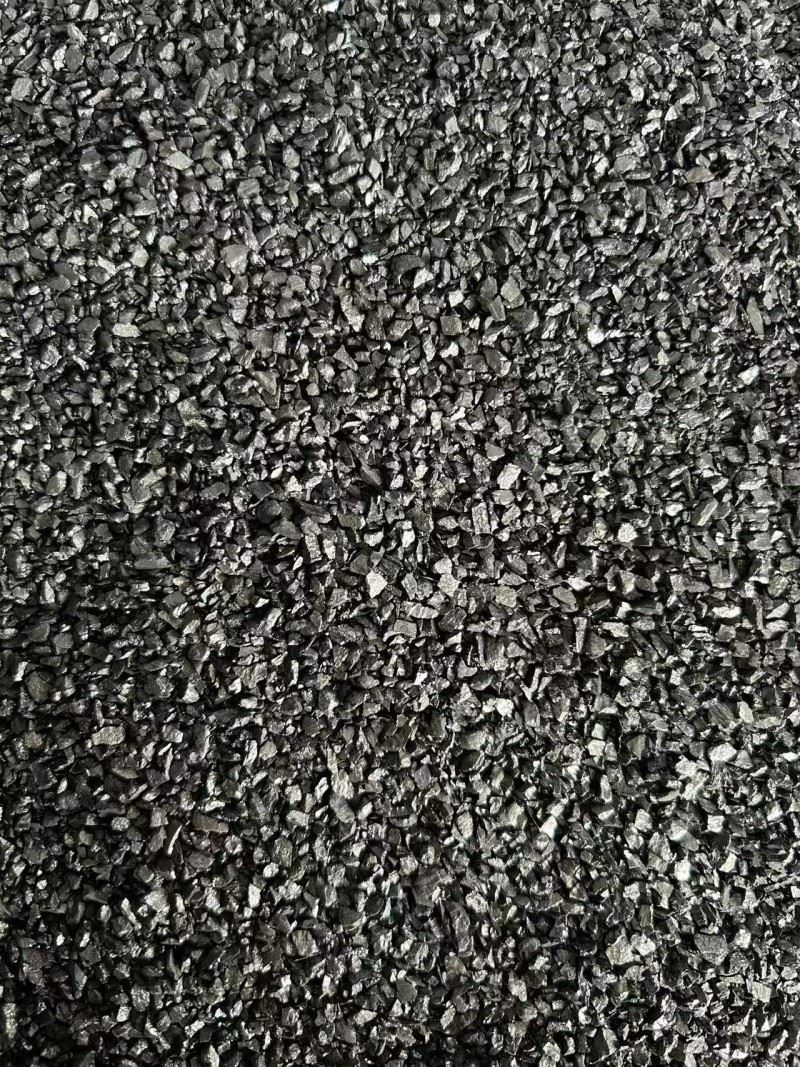
The first step in graphite electrodes fine production involves handling raw materials such as Calcined Anthracite, Graphitized Petroleum Coke, and Artificial Graphite Powder. These raw materials often come in powder or granular forms, which can pose inhalation risks to workers.
To mitigate this risk, proper ventilation systems should be installed in the storage and handling areas. Local exhaust ventilation (LEV) systems can effectively capture and remove dust particles at the source, preventing them from spreading into the working environment. Workers must also wear appropriate personal protective equipment (PPE), including dust masks, goggles, and gloves. The dust masks should be of a high - efficiency particulate air (HEPA) filter type to ensure maximum protection against fine dust particles.
In addition, the storage of raw materials should be well - organized. They should be stored in sealed containers or silos to prevent dust leakage. The storage area should be clean and dry, as moisture can affect the quality of the raw materials and may also lead to the formation of clumps, which can be difficult to handle during the production process.
Mixing and Kneading
Once the raw materials are prepared, they are mixed and kneaded to form a homogeneous paste. This process often involves high - speed mixers and kneaders, which can be dangerous if not properly operated.
Firstly, all mixing and kneading equipment should be regularly maintained and inspected. Mechanical components such as belts, gears, and bearings should be checked for wear and tear, and any damaged parts should be replaced immediately. Safety guards should be installed around the moving parts of the equipment to prevent workers from accidentally coming into contact with them.
During the operation of the mixers and kneaders, workers should follow strict operating procedures. They should never reach into the equipment while it is running. In case of a blockage or other issues, the equipment should be shut down and locked out before any maintenance or troubleshooting is carried out. This is to prevent the accidental start - up of the equipment, which could cause serious injuries.
Moreover, the mixing and kneading process may generate heat. Temperature sensors should be installed in the equipment to monitor the temperature. If the temperature exceeds the safe limit, the equipment should be stopped immediately to prevent overheating, which could lead to a fire or explosion.
Forming and Pressing
After the paste is prepared, it is formed into the desired shape of the graphite electrode through pressing. This step usually involves high - pressure presses, which are extremely powerful and can cause severe injuries if not used correctly.

The presses should be equipped with safety interlocks. These interlocks ensure that the press cannot be operated unless all safety doors and guards are in place. Workers should be trained to open and close the safety doors carefully, following the correct sequence.
Before starting the pressing operation, the mold should be properly installed and aligned. Any misalignment can lead to uneven pressure distribution, which may cause the mold to break or the electrode to be defective. Workers should also check the pressure settings of the press to ensure that they are within the safe range.
During the pressing process, workers should stand at a safe distance from the press. They should not place their hands or other body parts near the moving parts of the press. In case of an emergency, there should be easily accessible emergency stop buttons that can be used to shut down the press immediately.
Baking and Graphitization
Baking and graphitization are high - temperature processes in graphite electrodes fine production. The baking process is used to harden the formed electrodes, while graphitization is used to transform the carbon structure into a more ordered graphite structure.
In the baking and graphitization furnaces, high temperatures can reach up to several thousand degrees Celsius. These furnaces should be well - insulated to prevent heat loss and to protect workers from burns. Thermal insulation materials such as refractory bricks should be used to line the furnaces.
Proper temperature control is essential. Temperature sensors should be installed inside the furnaces to monitor the temperature accurately. Automated temperature control systems can adjust the heating elements to maintain the desired temperature within a narrow range. This not only ensures the quality of the electrodes but also reduces the risk of overheating, which could lead to furnace damage or even a fire.
The furnaces should also be equipped with ventilation systems to remove the gases generated during the baking and graphitization processes. These gases may include carbon monoxide, carbon dioxide, and other volatile organic compounds (VOCs), which are toxic and flammable. The ventilation systems should be designed to effectively exhaust these gases to the outside of the production facility. Workers should wear respiratory protection when working near the furnaces to prevent inhalation of these harmful gases.
Machining and Finishing
After the baking and graphitization processes, the graphite electrodes are machined and finished to the required dimensions and surface quality. This step involves cutting, grinding, and polishing operations, which generate a large amount of dust and debris.
Similar to the raw material handling stage, proper ventilation systems should be in place to remove the dust generated during machining and finishing. Local exhaust ventilation at the cutting and grinding points can effectively capture the dust. Workers should wear PPE, including dust masks, ear protection (due to the high - noise levels), and safety glasses.
The machining equipment, such as lathes, milling machines, and grinders, should be properly maintained. The cutting tools should be sharp and in good condition to ensure efficient and safe machining. Dull cutting tools can cause excessive vibration and heat generation, which can damage the equipment and the electrode, and may also pose a safety risk to the workers.
Quality Control and Inspection
Quality control and inspection are essential steps in the production of graphite electrodes fine. However, these steps also have their own safety requirements.
When using inspection equipment such as X - ray machines or ultrasonic testing devices, workers should be trained on how to operate them safely. X - ray machines emit ionizing radiation, which can be harmful to human health. Workers should wear radiation - shielding clothing and follow strict radiation safety protocols.
For visual inspection, workers should be provided with proper lighting in the inspection area. Poor lighting can lead to eye strain and may cause workers to miss defects in the electrodes. In addition, the inspection area should be clean and free of clutter to prevent tripping hazards.
Environmental Safety
In addition to the safety of workers, environmental safety is also an important aspect of graphite electrodes fine production. The production process may generate waste materials, including dust, spent electrodes, and used lubricants.
The waste dust should be collected and disposed of properly. It can be recycled or sent to a specialized waste treatment facility. Spent electrodes can also be recycled to recover valuable materials. However, if they cannot be recycled, they should be disposed of in accordance with local environmental regulations.
Used lubricants should not be dumped directly into the environment. They should be collected in special containers and sent for proper treatment or recycling. This is to prevent soil and water pollution, which can have a long - term impact on the environment.
Conclusion
The safety requirements for graphite electrodes fine production cover every stage of the production process, from raw material handling to quality control and environmental management. As a supplier of graphite electrodes fine, I am committed to ensuring the safety of our workers and the protection of the environment. By implementing strict safety measures, we can not only produce high - quality graphite electrodes but also create a safe and healthy working environment.
If you are interested in purchasing high - quality graphite electrodes fine, I invite you to contact us for a detailed discussion. We are more than willing to provide you with the best products and services to meet your specific needs.
References
- OSHA Guidelines for Industrial Safety
- ISO Standards for Graphite Electrode Production
- Industry - specific Safety Manuals for Graphite Electrode Manufacturers